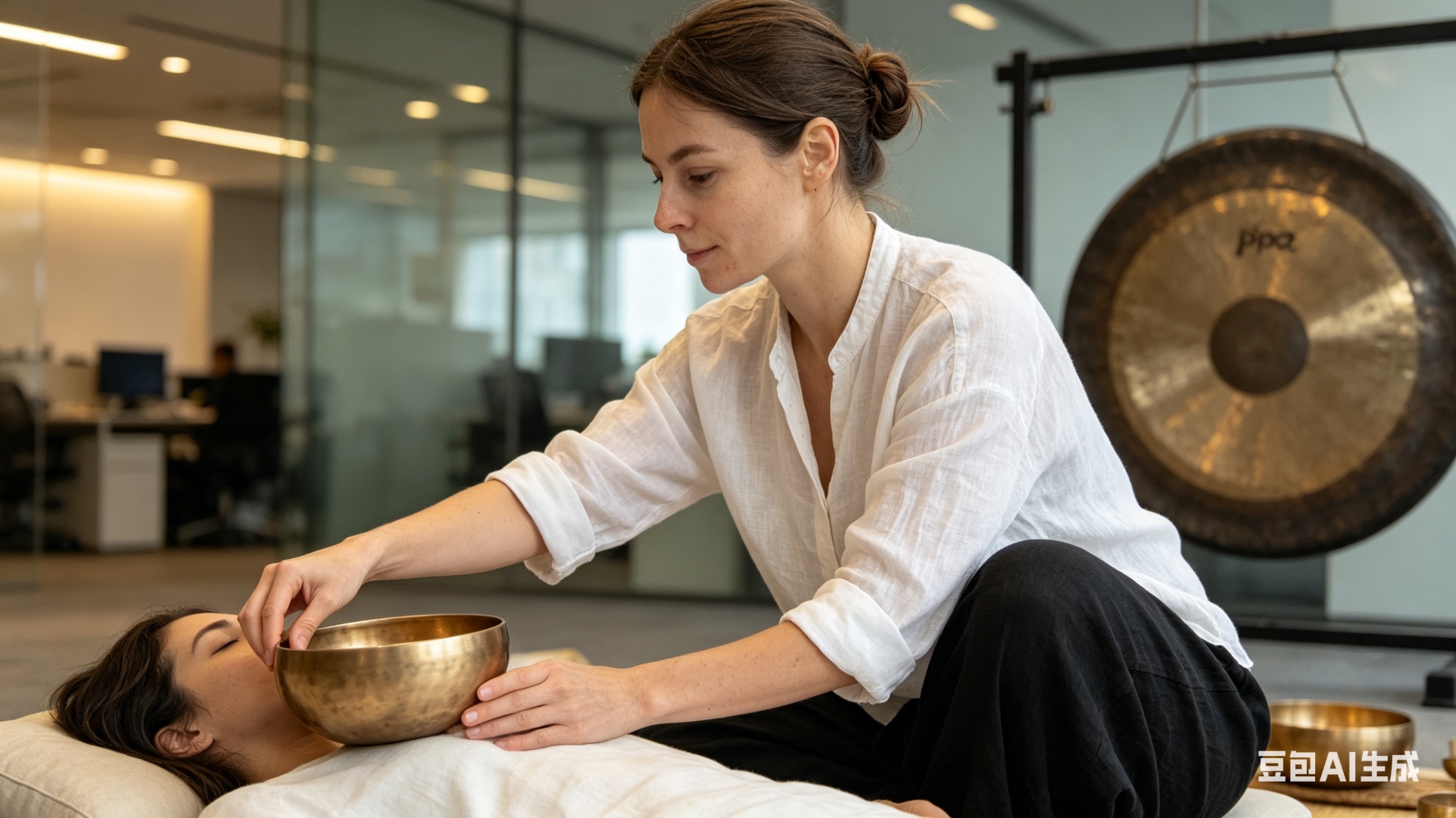
"I've Never Done Sound Healing Before. What Should I Expect?"
This is probably one of the most common questions I receive.
Many people are curious about sound healing, Tibetan singing bowls, crystal singing bowls, and gong baths, but feel unsure about what actually happens during a session.
Will I need to meditate? Will I need any experience? Will I be asked to do anything?
The good news is that no prior experience is necessary. Most of my clients are complete beginners. Many arrive feeling stressed, mentally overwhelmed, emotionally exhausted, struggling with sleep, navigating life transitions, or simply curious to experience something new.
Before We Begin: Understanding Your Current State
Every private session begins with a conversation and a simple assessment. Rather than assuming what someone needs, I like to understand how they are arriving that day.
Together we may explore:
- Current stress levels
- Sleep quality
- Energy levels
- Emotional wellbeing
- Physical tension
- Breathing patterns
- Ability to relax and stay present
One simple observation I often use is breathing awareness. Many people are surprised to discover how quickly or shallowly they breathe when stressed, anxious, or mentally overwhelmed.
Breathing patterns often provide valuable insight into the current state of the nervous system and help guide how we begin the session.
Clients are also welcomed with a calming herbal tea and aromatherapy, helping create a transition from the pace of daily life into a space of rest and presence.
Creating a Safe Space to Slow Down
One thing I have learned over the years is that many people rarely allow themselves to truly pause. When they arrive, they are often still carrying the pace of the day with them.
The first part of the session is about helping the body transition from doing into simply being. We begin with gentle grounding, breathing, and relaxation techniques designed to help the nervous system settle.
For many people, this alone feels unfamiliar.
"The goal is not to stop thinking. The goal is to create a little more space, awareness, and presence."
Breathwork and Mindfulness
Depending on the client's needs, I often incorporate simple mindfulness and breathwork practices. These may include:
- Conscious breathing
- Body awareness
- Guided meditation
- Mindfulness practices
- Nervous system regulation techniques
Research from the National Center for Complementary and Integrative Health (NCCIH) suggests that mindfulness and meditation practices may help reduce stress and support overall wellbeing.
The Sound Experience
The sound portion of the session may include:
- Tibetan singing bowls
- Crystal singing bowls
- Symphonic gongs
- Tuning forks
- Therapeutic percussion instruments
Depending on the intention of the session, different instruments may be used to create a unique experience. Some sounds feel grounding and calming. Others feel expansive and immersive.
Some people are surprised by how deeply they relax. Others simply enjoy having an hour without emails, notifications, or responsibilities.
Every Session Is Different
No two sessions are exactly the same. Some people spend most of the session in deep relaxation. Others experience insights, emotions, or simply a sense of peace.
There is no right or wrong experience. The session meets you where you are.
Why Personalization Matters
One thing I have noticed throughout my training and experience is that no two people arrive with the same needs. Some people come feeling anxious. Others are mentally exhausted. Some are struggling with sleep, while others are navigating major life transitions, stress, burnout, grief, or emotional challenges.
A common misconception is that sound healing is simply about playing instruments and having everyone receive exactly the same experience.
In my experience, the most meaningful sessions happen when sound is combined with listening, mindfulness, breathwork, intention, and an understanding of the person in front of you. That is one reason I do not follow a fixed script for every client.
The instruments, breathing practices, meditation techniques, aromatherapy, and overall flow of the session may vary depending on what support is most needed on that particular day.
- Sometimes a client needs deep relaxation.
- Sometimes they need grounding.
- Sometimes they need support processing a difficult period in life.
- Sometimes they simply need a safe space to pause and reconnect with themselves.
For me, the instruments are important — but the real focus is the person receiving the experience.
What Makes Kate Sound Studio Different?
Over the years, I have come to believe that meaningful wellbeing experiences are rarely created through a one-size-fits-all approach. While many sound healing experiences focus primarily on playing instruments, my intention is to create a personalized journey that combines sound, mindfulness, breathwork, and nervous system-focused practices.
Every session is tailored to the individual and may incorporate:
- Tibetan singing bowls
- Crystal singing bowls
- Symphonic gongs
- Tuning forks
- Breathwork techniques
- Guided meditation
- Mindfulness practices
- Aromatherapy
- Herbal tea rituals
- Nervous system regulation techniques
Another aspect that makes Kate Sound Studio unique is the variety of specialized session experiences available. Rather than offering a single sound healing format, clients can choose from experiences focused on:
That is why every session begins with listening. Before any instruments are played, I take time to understand how you are feeling, what challenges you may be experiencing, and what support would be most valuable for you that day.
The bowls, gongs, tuning forks, breathwork, mindfulness practices, and aromatherapy are all tools. The focus is always the person.
What Do Clients Commonly Notice?
Clients often report:
- Reduced stress
- Better sleep
- A quieter mind
- Less physical tension
- Greater emotional balance
- A feeling of deep rest
Many tell me they feel as though they have taken a short vacation from the noise and demands of daily life. The Sleep Foundation highlights the strong relationship between stress levels, nervous system activation, and sleep quality.
My Approach
My approach is influenced by years of meditation practice, Vipassana retreats, mindfulness training, MBSR principles, and sound healing studies.
Coming from a corporate background myself, I understand what it feels like to be constantly busy, mentally occupied, and disconnected from rest. I remember sleeping without truly resting. Listening without really hearing. Feeling productive on the outside while exhausted on the inside.
Over the years, I became increasingly interested in the relationship between stress, the nervous system, mindfulness, and wellbeing. Today, my work combines elements of mindfulness, meditation, breath awareness, and sound-based practices to create experiences that help people slow down, reconnect, and cultivate greater awareness.
"My intention is not to help people escape life. It is to help them reconnect with themselves within it."
Frequently Asked Questions
Do I need any experience with meditation or sound healing?
Not at all. Most clients are complete beginners and come with curiosity rather than experience.
What should I wear?
Anything comfortable that allows you to relax. There is no special clothing required.
Can I fall asleep during the session?
Absolutely. Many people enter a deeply relaxed state and some naturally drift into sleep. This is completely normal.
How long is a private session?
Private sessions are typically 50 or 75 minutes, depending on the experience selected.
Are the sessions always the same?
No. Every session is tailored to the individual. The instruments, breathing practices, meditation techniques, and overall flow may vary depending on your goals and how you are feeling that day.
Which instruments are used during a session?
Depending on the session, I may use Tibetan singing bowls, crystal singing bowls, symphonic gongs, tuning forks, and other sound instruments.
Is sound healing only for stress?
While many people come for stress relief, clients also attend for better sleep, nervous system regulation, mindfulness, emotional balance, personal reflection, and general wellbeing.
How do I know which session is right for me?
If you're unsure, I am happy to recommend a session based on your current goals, challenges, and intentions.
Further Reading
You may also enjoy:
- How to Calm Your Nervous System Naturally
- What is a Sound Bath? A Complete Guide
- Sound Therapy for Anxiety in Hong Kong
- Can Sound Therapy Help IBS? Understanding the Gut-Brain Connection
- Why More Professionals in Hong Kong Are Turning to Sound Therapy and Meditation
- Corporate Wellness Hong Kong: Sound Reset, Meditation & Team Wellbeing
- Why Do We Feel Emotional During the Full Moon?
- Hong Kong Rainy Season Fatigue: Why You Feel Tired & Unmotivated
- Sound Bath Hong Kong: A Private Rooftop Experience
Kate Sound Studio · Hong Kong
Experience a Private Sound Healing Session in Hong Kong
Private sessions at Kate Sound Studio combine sound, mindfulness, breathwork, and personalized wellbeing practices in a calm and supportive environment. Whether you are looking to reduce stress, improve sleep, support your nervous system, navigate a life transition, or simply take a meaningful pause from everyday life, each session is tailored to your individual needs.
Sometimes the most powerful thing we can do is give ourselves permission to slow down and listen.