Around 90% of the clients who come to my studio initially book because they are struggling with sleep.
Some find it hard to fall asleep. Others wake up during the night with a racing mind. Many describe feeling tired but unable to fully relax.
As we talk, it often becomes clear that poor sleep is only part of the picture. In many cases, the deeper issue is chronic stress, anxiety, or a nervous system that has been operating in fight-or-flight mode for years.
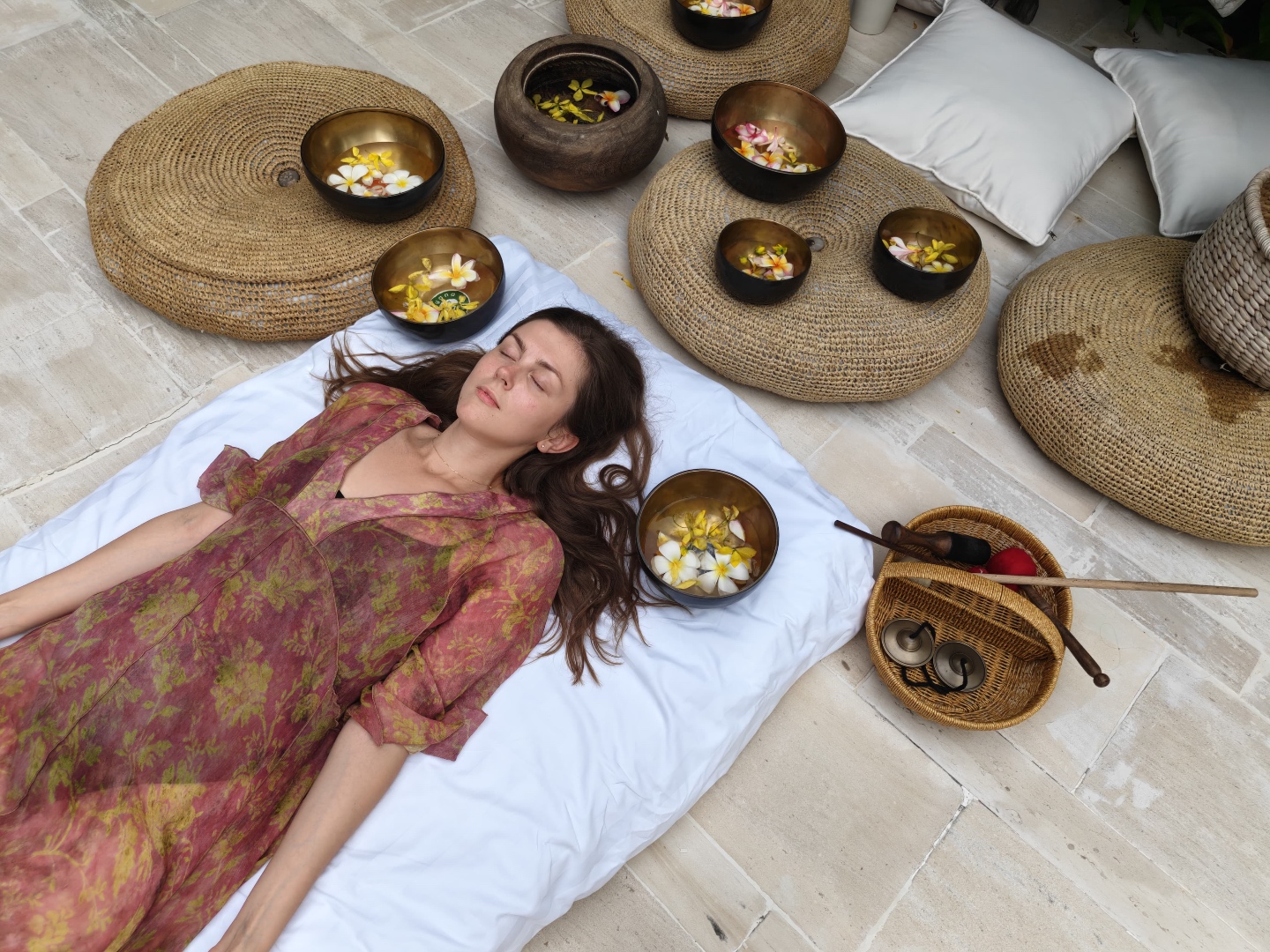
At Kate Sound Studio, my work focuses on helping clients calm the nervous system through a combination of Tibetan singing bowls, gongs, guided meditation, and practical mindfulness techniques they can use at home.
When Sleep Problems Are a Sign of Anxiety
Sleep disturbances are one of the most common signs of an overstimulated nervous system.
You may notice:
- Difficulty falling asleep
- Waking up in the middle of the night
- Racing thoughts
- Tightness in the chest
- Digestive discomfort
- Feeling tired but wired
Often, the body is stuck in a state of high alert, even when there is no immediate danger.
Anxiety Can Show Up in the Body
Anxiety is not only a mental experience.
It can manifest physically as:
- Muscle tension
- Heart palpitations
- Digestive issues
- Shallow breathing
- Restlessness
- Panic attacks
About IBS and Stress
One common stress-related condition is Irritable Bowel Syndrome. IBS is a functional digestive disorder that may involve bloating, abdominal pain, constipation, diarrhea, or a combination of these symptoms. Stress and anxiety can significantly affect the gut through the gut-brain connection.
When the nervous system becomes calmer, digestive symptoms often improve as well.
What I Have Seen in Clients
Over the past year, I have worked with several clients dealing with anxiety, poor sleep, and IBS.
In many cases:
- Clients notice meaningful improvements after 2–4 sessions
- Deeper and more lasting changes tend to occur after 6–8 sessions
- Home practices such as breathing exercises and meditation help reinforce the results
Some clients report sleeping better within the first few sessions. Others notice reduced digestive discomfort, fewer anxious thoughts, and a greater ability to stay calm during stressful situations.
Even after symptoms improve significantly, many continue to come for regular sessions because they value the sense of balance and clarity they experience.
My Personal Experience with Anxiety
My understanding of anxiety is not only professional.
After a difficult breakup, I experienced panic attacks for the first time. I remember how unsettling it felt when the body seemed to react before the mind could make sense of what was happening.
That period led me to explore meditation, mindfulness, and sound work more deeply.
"Over time, these practices helped me rebuild a sense of safety and stability from within."
This personal experience shapes how I work with clients today — with empathy, patience, and practical tools that can be integrated into everyday life.
How Sound Therapy Helps Calm the Nervous System
Sound therapy uses instruments such as Tibetan singing bowls and gongs to create immersive tones and vibrations that support deep relaxation.
Combined with guided breathing and meditation, sound sessions can help the body shift from fight-or-flight mode into a more restorative state.
Clients often report:
- A quieter mind
- Reduced physical tension
- Emotional release
- Better sleep
- Greater mental clarity
What the research says
A study published in PubMed found that singing bowl meditation was associated with reductions in tension, anger, and fatigue.
Practical Tools You Can Use at Home
During sessions, I also share simple practices clients can use between appointments, including:
- Breathing exercises
- Short guided meditations
- Mindfulness techniques
- Lifestyle suggestions to support better sleep
These tools help clients become more independent and confident in managing stress.
How Many Sessions Are Usually Helpful?
Every person is different, but a common pattern is:
- 1–2 sessions: Immediate relaxation and improved sleep
- 2–4 sessions: Noticeable reduction in anxiety and stress
- 6–8 sessions: More sustainable changes and stronger self-regulation skills
The goal is not to create dependency, but to help clients develop tools that support long-term wellbeing.
Experience it yourself
Experience a Private Sound Session in Hong Kong
At Kate Sound Studio, I offer private sessions designed to support anxiety and overthinking, poor sleep, stress-related digestive issues, and mental and emotional overwhelm. Each session combines Tibetan singing bowls, gongs, guided meditation, and breathwork in a calm and private setting.
Final Thoughts
Anxiety often develops gradually, and healing usually does too.
With the right support and consistent practice, the nervous system can learn that it is safe to relax again.
For many people, better sleep is the first sign that deeper change is already underway.
More from Kate Sound Studio
If this article was useful, you might also enjoy: