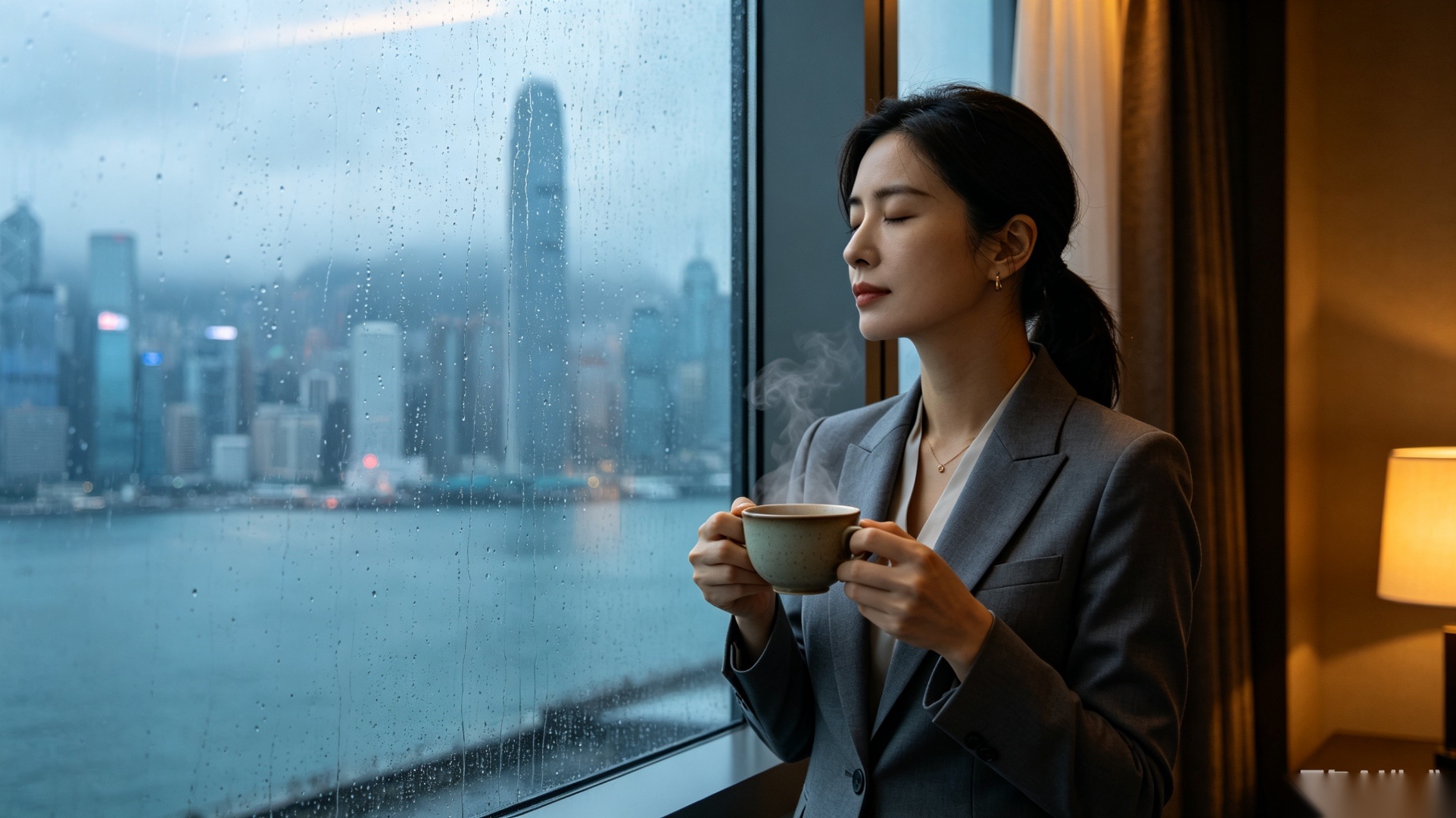
Why Do Some People Feel Different During Hong Kong's Rainy Season?
Have you ever noticed feeling more tired, unmotivated, or less productive during long periods of rain?
You are not imagining it.
Many people report changes in their mood, energy levels, and overall wellbeing during periods of cloudy, rainy weather. Living in Hong Kong, I often hear clients say things like:
- "I feel more tired lately."
- "I don't feel motivated."
- "I've been sleeping more."
- "I'm not productive."
- "I feel lazy."
- "I can't stick to my usual routine."
Sometimes people become frustrated with themselves during long periods of rain, believing they are losing motivation or discipline. In reality, the body may simply be responding to changes in weather, energy levels, sunlight exposure, humidity, and accumulated stress. Sometimes what we label as laziness may actually be fatigue, overwhelm, or a genuine need for recovery.
What the research shows
Researchers have long observed that reduced daylight exposure can influence mood, energy, and sleep patterns in some individuals. Harvard Health discusses how seasonal changes may affect emotional wellbeing and energy levels.
How Weather Can Influence the Nervous System
Our bodies are constantly responding to the environment around us. Sunlight, temperature, movement, and time spent outdoors all play important roles in regulating:
- Mood
- Energy
- Sleep
- Hormones
- The nervous system
During periods of prolonged rain and cloud cover, people often spend more time indoors, less time moving, and less time exposed to natural sunlight. These changes can affect both physical and emotional wellbeing.
The NHS notes that reduced exposure to daylight may influence mood and energy levels in some individuals. The Cleveland Clinic also explains how chronic stress and nervous system dysregulation can affect how we feel physically and emotionally.
Why Rainy Days Can Feel More Emotional
One thing I have noticed personally — and in many clients — is that rainy weather often encourages us to slow down. And when we slow down, we sometimes become more aware of thoughts and emotions that were previously hidden beneath busy schedules and constant distractions.
"Rain creates a natural pause. Without the usual pace of life, people may notice mental fatigue, stress they have been carrying, and feelings they have not had time to process."
This is not necessarily a bad thing. Sometimes the stress was already there — we simply become quiet enough to notice it.
What Traditional Chinese Medicine Says About Rainy Weather
Traditional Chinese Medicine (TCM) has observed the relationship between weather and wellbeing for thousands of years. According to TCM, rainy and humid weather is associated with what practitioners call Dampness (濕氣).
TCM perspective
When Dampness accumulates, people may experience:
- Heaviness in the body
- Low energy
- Brain fog
- Sluggish digestion
- Reduced motivation
- Feeling physically and mentally stuck
Interestingly, these are some of the same experiences many people describe during Hong Kong's rainy and typhoon season. Whether viewed through the lens of Traditional Chinese Medicine or modern nervous system science, both perspectives point toward a similar idea: during periods of rain, humidity, and slower energy, the body may benefit from more rest, grounding, and self-care rather than constant pushing and productivity.
My Experience with Hong Kong's Rainy Season
Living in Hong Kong, I have personally noticed how strongly long periods of rain and humidity can affect my energy. In the past, I often felt unusually low during extended rainy periods. I would experience headaches, low motivation, and a general feeling of heaviness that was difficult to explain.
Through conversations with Traditional Chinese Medicine practitioners, I learned about the concept of Dampness and how humid weather may affect some people more than others. The biggest difference for me came through a few simple changes:
- Adjusting my diet during humid periods
- Drinking warming herbal teas and soups
- Following recommendations from my Chinese Medicine practitioner
- Supporting my body with prescribed Chinese herbal remedies
- Allowing myself more rest when my energy was genuinely low
Over time, I noticed that my headaches became less frequent and my energy felt more stable, even during Hong Kong's rainy season. Whether explained through Traditional Chinese Medicine or simply through paying closer attention to the body's needs, the experience taught me an important lesson: sometimes the body is not asking us to push harder. Sometimes it is asking us to slow down, nourish ourselves differently, and give it the support it needs.
Traditional Chinese Medicine Tips for Rainy Weather
According to many TCM practitioners, humid weather may contribute to feelings of Dampness in the body. Common recommendations include:
TCM Recommendations
- Eating more warm, cooked foods
- Drinking warm water instead of iced drinks
- Limiting excessive dairy and cold foods
- Enjoying nourishing soups and herbal teas
- Staying physically active to support circulation
- Prioritizing adequate rest
While individual needs vary, many people find these simple practices supportive during Hong Kong's rainy and typhoon season.
The Hong Kong Effect
Hong Kong is one of the most dynamic and stimulating cities in the world. Many people spend their days surrounded by screens, meetings, notifications, deadlines, noise, and crowds. When a typhoon approaches or several days of heavy rain arrive, the city naturally slows down.
In some ways, these weather events force us to do something many of us rarely allow ourselves to do: pause. For some people, that feels uncomfortable. For others, it feels like relief.
Hong Kong's combination of high humidity, prolonged rain, dense urban living, and fast-paced lifestyles can make periods of low energy feel particularly noticeable.
What Can You Do During Rainy Periods?
1
Spend Time Near Natural Light
Even on cloudy days, natural daylight can support your body's natural rhythms. Sit near a window, step outside briefly between rain showers, or open your blinds to let available light in.
2
Keep Moving
Gentle movement, stretching, yoga, or walking can help maintain energy and emotional balance. Even short bursts of indoor movement can shift sluggish energy.
3
Prioritize Sleep
Rainy weather can be a reminder to slow down and support recovery. The Sleep Foundation notes that weather conditions, environmental changes, and light exposure can influence sleep quality and daytime energy levels.
4
Practice Mindfulness
The National Center for Complementary and Integrative Health (NCCIH) notes that meditation and mindfulness practices may help reduce stress and improve overall wellbeing.
5
Create Moments of Stillness
Instead of filling every quiet moment, try allowing yourself a few minutes to simply sit, breathe, and observe. Let the rain be background rather than burden.
Sound Reset · Nervous System · Hong Kong
Experience a Sound Reset in Hong Kong
At Kate Sound Studio, I often notice that rainy days create the perfect environment for slowing down and reconnecting with yourself. Through Tibetan singing bowls, symphonic gongs, breathwork, and guided meditation, private sound reset sessions are designed to support stress reduction, nervous system regulation, better sleep, emotional balance, and deep relaxation. Sometimes what the mind needs most is not more stimulation — but a moment of quiet.
Frequently Asked Questions
Can rainy weather make you feel tired?
Many people report lower energy during prolonged periods of rain due to reduced sunlight exposure, changes in activity levels, and disruptions to normal routines.
Why do I feel unmotivated during Hong Kong's rainy season?
Rainy weather often means less daylight, less movement, and more time indoors, all of which can influence energy levels and mood.
What does Traditional Chinese Medicine say about rainy weather?
Traditional Chinese Medicine associates rainy and humid conditions with Dampness (濕氣), which may contribute to feelings of heaviness, sluggishness, brain fog, and reduced motivation.
Can meditation help during rainy periods?
Mindfulness and meditation practices may help reduce stress, improve emotional awareness, and support nervous system regulation.
Why do I feel lazy when it rains?
What we often label as laziness may actually be fatigue, nervous system overload, accumulated stress, or a genuine need for rest and recovery.
Final Thoughts
Weather may not determine how we feel, but it can influence our energy, mood, and awareness.
The next time Hong Kong's rain or typhoon season arrives, consider viewing it differently. Rather than resisting the pause, perhaps it is an invitation.
An invitation to slow down. To listen. To rest. And to reconnect with yourself.
More from Kate Sound Studio
If this article was useful, you might also enjoy: